


Public trust in higher education has reached a critical inflection point. Recent surveys reveal that confidence in academic institutions has declined significantly over the past decade, with many questioning the integrity, relevance, and value of scholarly research. This erosion of trust creates unprecedented challenges for researchers, doctoral students, and academic institutions worldwide.
In this climate of skepticism, the quality of academic communication has never been more important. Every published paper, thesis, and research manuscript serves as a representative of the broader academic enterprise. When research is presented with clarity, precision, and professional polish, it reinforces the credibility of both the individual researcher and the institution they represent.
The Academic Credibility Crisis
The decline in public trust toward higher education stems from multiple factors, including concerns about research reproducibility, publication bias, and the perceived disconnect between academic work and real-world applications. High-profile retractions, questionable research practices, and institutional scandals have contributed to a growing skepticism about the reliability of academic findings.
This credibility crisis extends beyond public perception. Within academic circles, reviewers and editors are becoming increasingly selective, journals are implementing stricter standards, and funding agencies are demanding greater accountability. The competition for publication opportunities has intensified, making professional presentation and clear communication essential for research success.
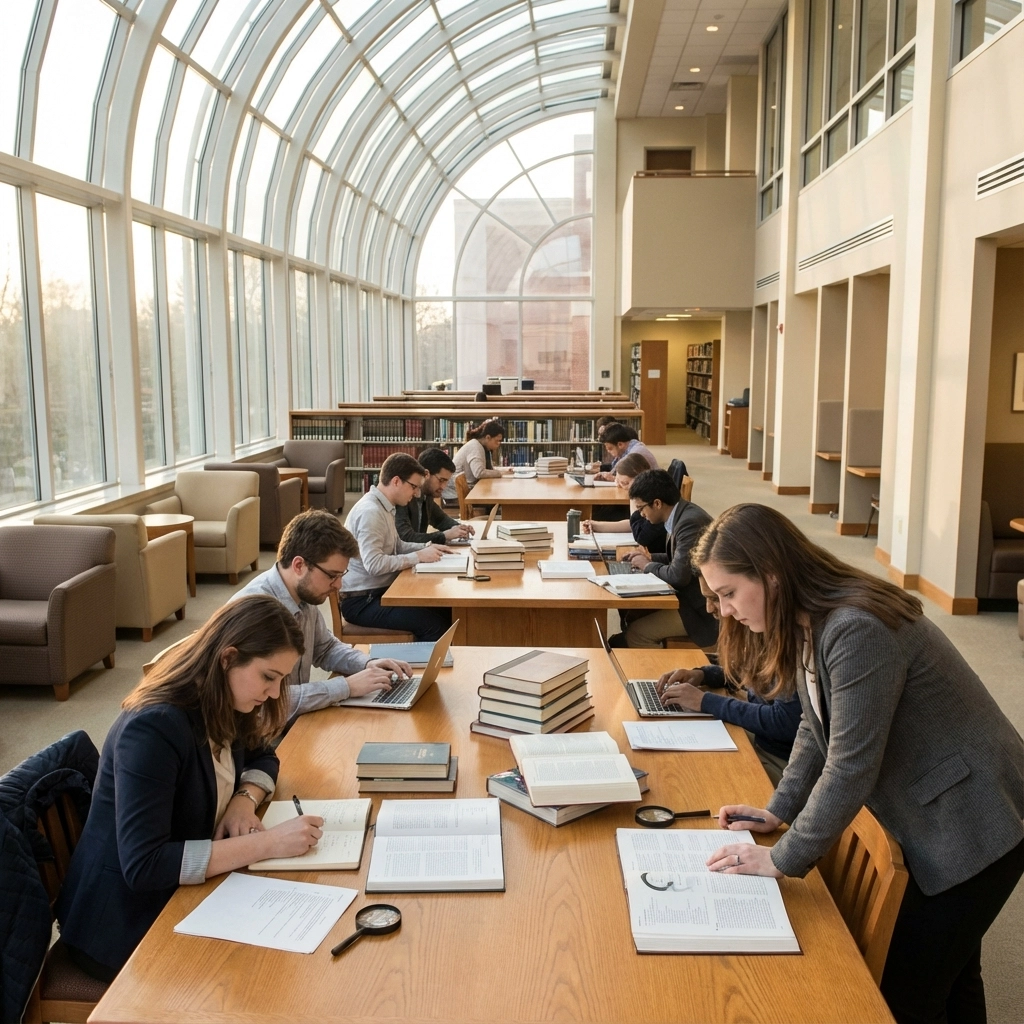
How Quality Editing Establishes Academic Authority
Professional editing serves as a powerful tool for building and maintaining academic credibility. When researchers invest in quality editing services, they demonstrate a commitment to excellence that extends beyond their research methodology to encompass every aspect of scholarly communication.
Professional Presentation Standards
Research papers that undergo professional editing exhibit a level of polish and professionalism that immediately signals scholarly rigor. Well-edited manuscripts navigate the initial screening process more successfully, as editors and peer reviewers can focus on evaluating content rather than being distracted by presentation issues.
The impact of professional presentation extends beyond aesthetics. Clean, error-free documents suggest that authors have taken care with every aspect of their work, creating an implicit trust that the same attention to detail applies to their research methodology and data analysis.
Enhanced Accuracy and Integrity
Professional editors provide crucial quality assurance by scrutinizing manuscripts for factual accuracy, consistency in terminology, and integrity of data presentation. This meticulous review process identifies potential errors, inconsistencies, and gaps that authors might overlook after extensive periods of working closely with their material.
Skilled editors examine each component of academic manuscripts, from research questions and literature reviews to methodology descriptions and conclusion statements. They ensure that findings are accurately reported, properly contextualized, and clearly connected to the research objectives.

Strengthened Logical Structure
One of the most significant contributions of professional editing involves strengthening argumentative structure and logical coherence. Academic editors bring objective perspectives to evaluate how effectively papers support their claims with evidence and address potential counterarguments.
Editors identify logical gaps, inconsistent reasoning, and structural weaknesses that can undermine research credibility. By addressing these issues, professional editing ensures that manuscripts present compelling, well-reasoned arguments that can withstand peer review scrutiny.
Global Accessibility and Inclusion
Professional editing proves particularly valuable for researchers whose first language is not English, ensuring their work meets the linguistic standards expected in international journals. This service democratizes participation in global academic discourse by removing language barriers that might otherwise prevent excellent research from reaching its intended audience.
Quality editing transforms complex ideas into accessible, engaging content while maintaining scholarly rigor. This accessibility enhances the impact and reach of research, contributing to broader knowledge dissemination and cross-cultural academic collaboration.
The Multiplier Effect on Institutional Reputation
The credibility benefits of professional editing extend beyond individual researchers to impact institutional reputation. When universities and research centers consistently produce well-edited, professionally presented scholarship, they build reputations for excellence that benefit all affiliated researchers.
This institutional credibility becomes particularly valuable when competing for funding, attracting top-tier faculty, and recruiting exceptional students. High-quality scholarly output serves as a visible indicator of institutional standards and commitment to academic excellence.
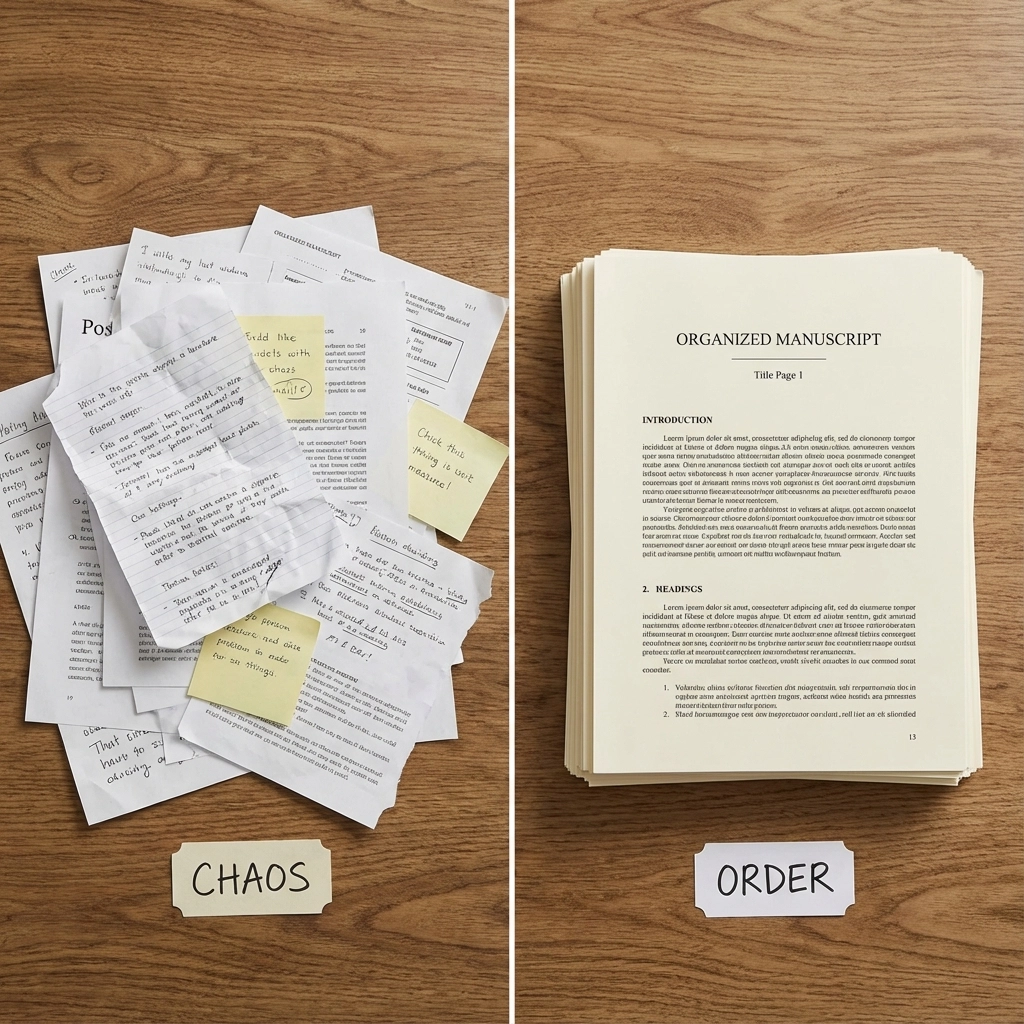
Why Professional Editing Matters More Than Ever
In the current environment of heightened scrutiny and declining institutional trust, professional editing represents more than a technical service: it functions as a statement about academic values and commitment to scholarly integrity.
Transparency in Research Communication
Well-edited manuscripts communicate transparency and accountability to readers, reviewers, and the broader academic community. When research is presented clearly and professionally, it facilitates meaningful peer review, constructive feedback, and accurate interpretation of findings.
This transparency becomes crucial as academic institutions work to rebuild public trust. Clear, accessible research communication helps bridge the gap between academic work and public understanding, making scholarly findings more relevant and impactful.
Educational Value and Knowledge Dissemination
Academic literature serves as a vital educational resource for students, educators, and practicing professionals across multiple fields. Professional editing enhances the educational value of this resource by ensuring that complex ideas are communicated clearly and accurately.
When research is well-edited, it becomes more useful for knowledge transfer, practical application, and future research development. This enhanced utility strengthens the case for continued investment in academic research and higher education.
Competitive Advantage in Academic Markets
The academic marketplace has become increasingly competitive, with researchers competing for publication opportunities, funding, and career advancement. Professional editing provides a distinct advantage by ensuring that excellent research receives the presentation it deserves.
Quality editing helps research stand out in crowded fields, increases acceptance rates at prestigious journals, and enhances citation potential. These advantages compound over time, contributing to sustained research careers and institutional success.

Building Long-Term Academic Credibility
The investment in professional editing pays dividends that extend far beyond individual publications. Researchers who consistently produce well-edited work build reputations for reliability and professionalism that open doors to collaboration opportunities, speaking engagements, and leadership positions.
This long-term credibility building becomes particularly important for early-career researchers establishing their professional identities. Quality editing helps ensure that initial publications make strong impressions and contribute positively to developing scholarly reputations.
The Path Forward
As academic institutions work to address declining public trust, professional editing represents a practical, immediate step toward improved credibility. By investing in quality editing services, researchers and institutions demonstrate their commitment to excellence in all aspects of scholarly work.
The benefits extend beyond individual publications to contribute to broader efforts at rebuilding trust in higher education. When academic work is presented professionally and communicated clearly, it reinforces the value and integrity of the entire academic enterprise.
For researchers, doctoral students, and academic institutions facing the challenges of a skeptical public and competitive academic environment, professional editing offers a proven strategy for building and maintaining credibility. The investment in quality editing serves not only individual career goals but also the broader mission of restoring trust in higher education and advancing knowledge for societal benefit.
Ready to enhance your academic credibility through professional editing? Submit Your Document today and discover how quality editing can strengthen your research impact and career trajectory.



0 Comments