


You have spent years researching, writing, and refining your dissertation. The finish line is finally in sight. Then comes the editing phase: and suddenly, what seemed like a manageable final step turns into an endless time sink that consumes your weekends, derails your sleep schedule, and tests your sanity.
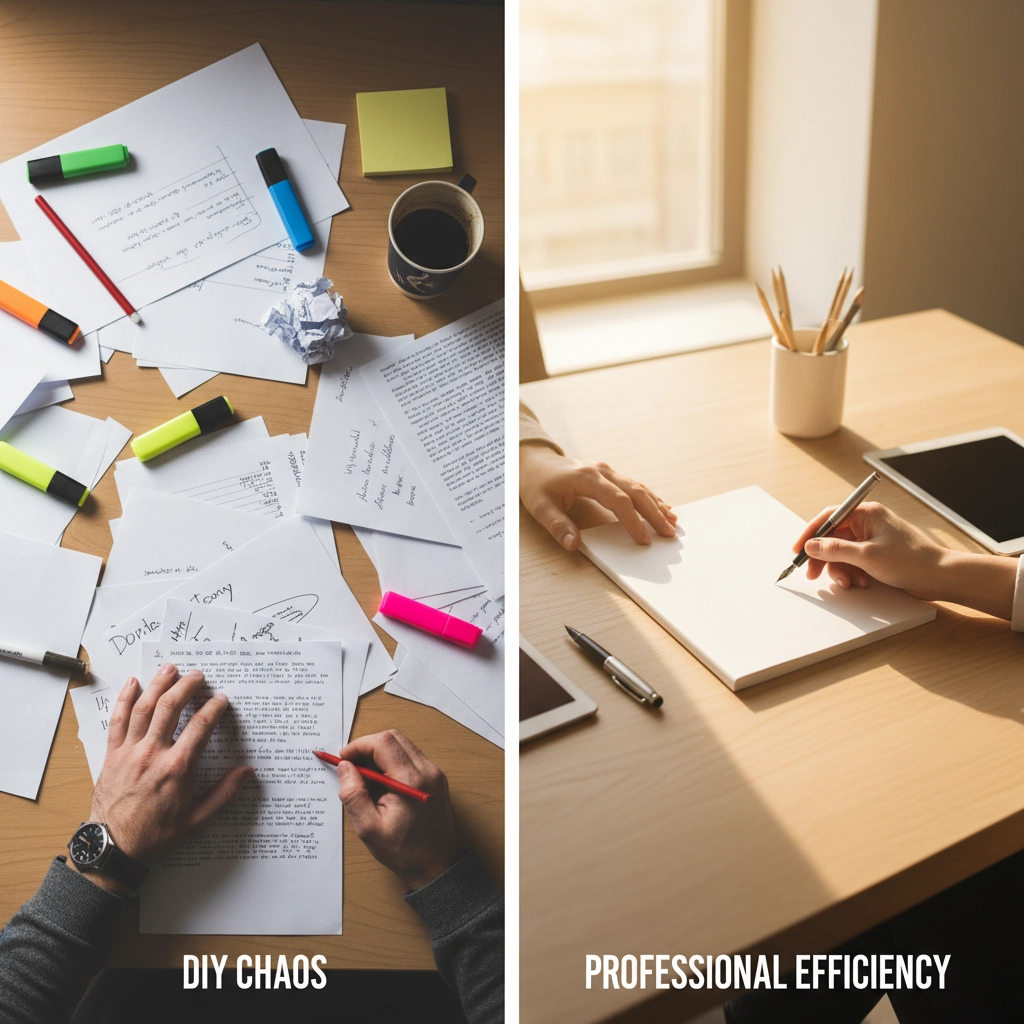
If this sounds familiar, you are not alone. Doctoral students routinely underestimate the time required for thorough academic editing, often spending 40+ hours (and sometimes much more) on tasks that professional editors complete in days. The hidden costs of this DIY approach extend far beyond the clock: they include missed opportunities, mounting stress, and ironically, lower-quality results.
The 40-Hour Time Trap: Why DIY Editing Takes Forever
Most doctoral students approach editing with a dangerous assumption: "I wrote it, so I can edit it efficiently." This logic seems sound until you dive into the reality of comprehensive academic editing.
Consider the typical DIY editing process. You begin with line editing, reading sentence by sentence to catch grammatical errors and improve clarity. Then you tackle structural issues, reorganizing paragraphs and strengthening arguments. Next comes formatting: ensuring consistent citation style, proper headings, and correct table formatting. Finally, you proofread for typos and final errors.

Each pass through your 200+ page document takes several hours. Most students need a minimum of four to six complete passes to catch different types of issues. Even at a conservative estimate of eight hours per pass, you are looking at 32-48 hours of focused editing time. Add in the inevitable breaks, the mental fatigue that slows your pace, and the tendency to get distracted by content revisions, and the time investment easily exceeds 40 hours.
But here is the problem: these hours are not evenly distributed. They pile up during your most critical final months, competing with other essential tasks like job applications, conference presentations, and defense preparation.
The Cognitive Load Problem: Why Your Brain Works Against You
Academic editing demands a specific type of focused attention that becomes increasingly difficult to maintain when working on your own writing. Cognitive psychology research shows that we develop blind spots to our own work: a phenomenon called "change blindness" that makes us less effective at catching our own errors.
When you edit your own writing, your brain automatically fills in gaps and corrects mistakes before your conscious mind registers them. You know what you meant to say, so you read what you intended rather than what you actually wrote. This cognitive shortcut, helpful in daily communication, becomes a liability in academic editing.
Professional editors approach your work with fresh eyes and no preconceptions about your intended meaning. They catch inconsistencies, unclear passages, and formatting errors that you might read over dozens of times without noticing. This is not a reflection of your intelligence or attention to detail: it is simply how human cognition works.
The Hidden Costs Beyond Time
Opportunity Cost
Every hour spent on tedious formatting and proofreading is an hour not spent on high-value activities. During your final dissertation phase, these high-value activities might include:
- Networking with potential employers
- Attending professional conferences
- Preparing job market materials
- Writing publishable articles from your research
- Developing your defense presentation
The economic principle of opportunity cost suggests that the true cost of DIY editing includes not just the time spent, but the value of what you could have accomplished instead.
Quality Degradation
Perhaps counterintuitively, spending more time on editing does not always produce better results. Editing fatigue is real: after hours of focused attention on technical details, your judgment becomes impaired. You might over-edit clear passages, introduce new errors, or make changes that actually weaken your argument.
Professional editors maintain objectivity and consistency throughout the process because they work within established timeframes and use systematic approaches developed through experience.
Emotional and Mental Health Costs
The psychological toll of endless editing cycles can be significant. Many doctoral students report feelings of frustration, perfectionism paralysis, and increasing anxiety as they struggle with tasks that feel simultaneously crucial and never-ending.
This emotional cost compounds the time investment. Stressed and frustrated students work less efficiently, take longer breaks, and often abandon editing sessions without completing meaningful progress. The 40-hour time estimate assumes focused, productive work: but emotional fatigue can easily double or triple the actual time required.
The Professional Alternative: How Experts Reclaim Your Time
Professional academic editors complete comprehensive dissertation editing in 1-2 weeks, even for documents exceeding 75,000 words. This efficiency stems from specialized training, systematic processes, and the cognitive advantages of working with unfamiliar text.
Consider the economics. Professional dissertation editing typically costs between $1,500-$3,000 for a full-length dissertation. If you value your time at even $25 per hour (well below the earning potential of most doctoral graduates), spending 60+ hours on DIY editing costs you $1,500 in opportunity cost alone: not including the quality and stress benefits of professional work.
The Speed Advantage
Professional editors work faster because they use proven systems. They complete tasks in order of priority, focusing first on structural issues that might affect other edits, then moving systematically through style, grammar, and formatting concerns. They do not get distracted by content questions or fall into perfectionism traps.
Most importantly, professional editors know when to stop. They understand the difference between "dissertation ready" and "perfect," helping you avoid the endless revision cycle that traps many DIY editors.
Specialized Knowledge
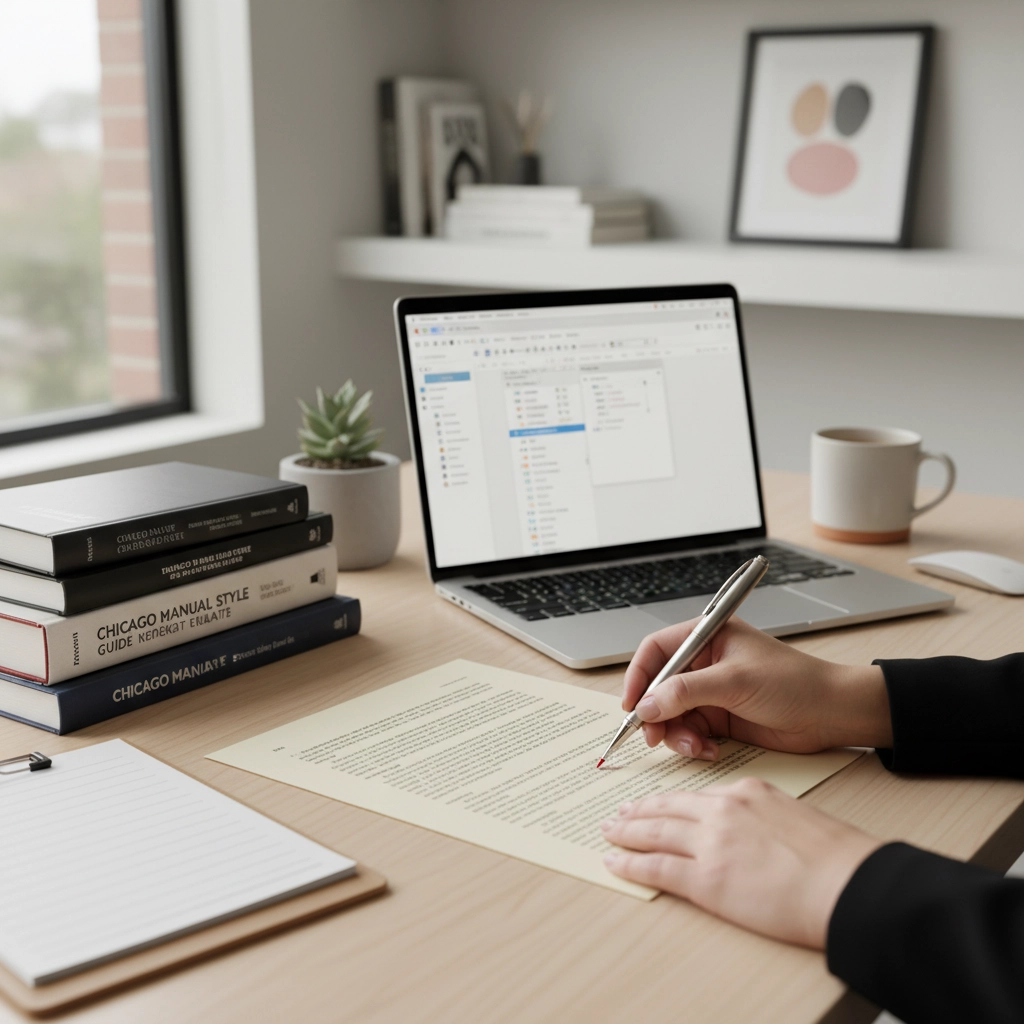
Academic editing requires familiarity with citation styles, formatting requirements, and disciplinary conventions that vary significantly across fields. Professional editors stay current with these requirements and maintain style guides that would take doctoral students weeks to master.
For instance, APA 7th edition introduced numerous changes that affect dissertation formatting. Professional editors implemented these changes across hundreds of documents, while doctoral students struggle to interpret and apply them correctly to a single project.
Getting Your Time Back: Practical Strategies
Strategy 1: Strategic Outsourcing
You do not need to outsource all editing tasks to reclaim significant time. Consider a hybrid approach where you handle content-level revisions (which require your subject expertise) while outsourcing technical editing, formatting, and proofreading.
Even outsourcing just the final proofread can save 10-15 hours while ensuring a polished final product.
Strategy 2: Time-Boxing Your Efforts
If you choose to handle some editing yourself, set strict time limits. Allocate specific hours for editing tasks and stop when time expires, regardless of completion status. This prevents the perfectionism spiral that extends editing indefinitely.
Strategy 3: Systematic Approach
Professional editors work systematically because it produces better results in less time. If you edit your own work, complete one type of edit per pass rather than trying to catch everything simultaneously.
The ROI of Professional Editing
Return on investment calculations strongly favor professional editing for most doctoral students. Consider a conservative scenario:
- DIY editing time: 50 hours
- Professional editing cost: $2,500
- Time saved: 48 hours (assuming professional completion in 2 hours for client review)
- Opportunity cost value: $25/hour
In this scenario, professional editing costs $2,500 but saves $1,200 in opportunity cost while delivering higher quality results and reducing stress. The net cost is only $1,300: less than $30 per hour for premium editing services.
For students with higher opportunity costs (job market candidates, those with consulting opportunities, etc.), the ROI becomes even more compelling.
Making the Decision: When Professional Editing Makes Sense
Professional editing makes the most sense when:
- You are actively on the job market and need time for applications
- Your program has strict formatting requirements
- You are not confident in your technical writing skills
- You have access to funding (many students use dissertation completion grants)
- You value your mental health and want to reduce stress
The decision becomes easier when you frame it correctly: professional editing is not an expense: it is an investment in your time, your mental health, and your document's quality.
Conclusion: Reclaiming Your Final Months
Your final dissertation phase should focus on preparing for your defense, transitioning to your next career stage, and celebrating a significant academic achievement. Spending dozens of hours wrestling with citation formatting and comma placement undermines these important goals.
Professional academic editing returns your time to high-value activities while ensuring your dissertation meets the technical standards your years of research deserve. The hidden costs of DIY editing: time, stress, opportunity cost, and potentially lower quality: make professional services a strategic investment rather than a luxury.
Ready to reclaim your time and finish strong? Submit your document to explore how professional editing can transform your final dissertation phase from a stressful marathon into a confident sprint to the finish line.


0 Comments