


Writing a dissertation represents the pinnacle of your academic journey, yet even the most dedicated students make critical errors that can undermine years of research. These mistakes often remain invisible during self-review, making professional editing an invaluable investment in your academic success. Understanding these common pitfalls and how expert editors address them can transform your dissertation from a rough draft into a polished scholarly masterpiece.
Mistake 1: Grammar and Punctuation Errors That Undermine Credibility
Subject-verb agreement problems, inconsistent verb tenses, and run-on sentences plague academic writing more than most students realize. When discussing past research, present findings, and future implications within the same chapter, maintaining grammatical consistency becomes particularly challenging.
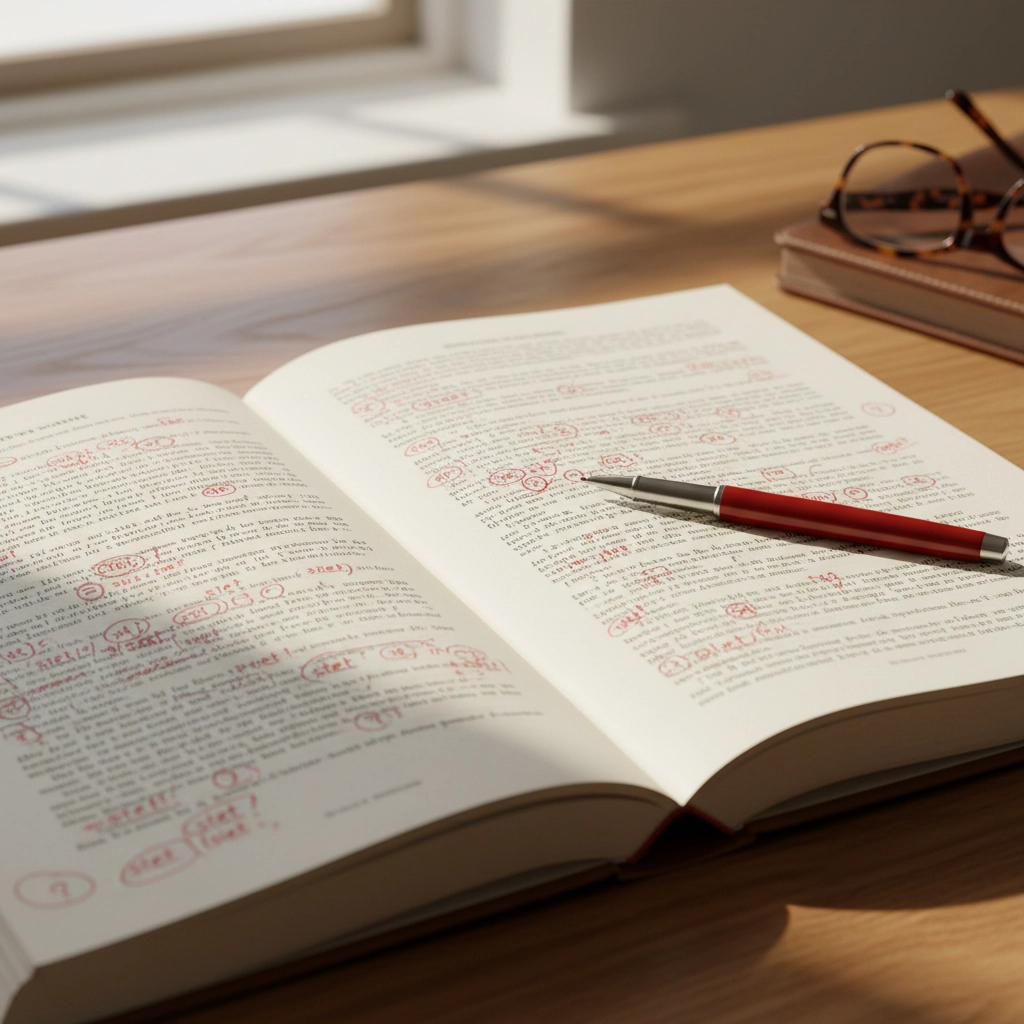
Professional editors systematically review every sentence to catch errors that automated spell-check software misses. They identify homophone confusion (there versus their, its versus it's), correct comma splices, and fix improper apostrophe usage. This meticulous attention prevents grammatical mistakes from creating a poor first impression on dissertation committee members who expect scholarly precision.
Mistake 2: Inconsistent Formatting That Signals Unprofessionalism
Missing preliminary pages, inconsistent heading styles, and improper spacing create an unprofessional appearance that immediately signals carelessness to examiners. Dissertation formatting requirements vary between institutions and often include strict guidelines for margins, font types, line spacing, and page numbering.
Professional editors ensure adherence to specific institutional guidelines by standardizing formatting elements throughout your document. They verify that preliminary pages appear in correct order, confirm abstracts meet length requirements, and ensure all sections follow prescribed conventions. This consistency creates a polished presentation that allows your research to shine rather than being overshadowed by technical deficiencies.
Mistake 3: Incorrect Citations and References
Failure to follow proper citation styles represents one of the most serious errors in dissertation writing. Inconsistent formatting, missing in-text references, and incomplete bibliography entries can result in plagiarism accusations or significant credibility loss. The problem intensifies when students rush through final revisions without carefully checking citation accuracy.
Academic editors possess deep familiarity with citation styles including APA, MLA, Chicago, and Harvard formats. They verify that every in-text citation corresponds to complete reference entries, ensure proper source attribution, and maintain consistent style application throughout the dissertation. This technical precision protects your academic integrity while demonstrating scholarly rigor expected at the doctoral level.

Mistake 4: Poor Sentence Structure and Excessive Wordiness
Repetitive phrasing, convoluted constructions, and unnecessary verbosity dilute the impact of your research. Academic writers often believe complex language makes their work appear more scholarly, but this approach typically obscures meaning rather than clarifying it. Dense prose forces readers to struggle through unnecessary complexity to extract key insights.
Professional editors streamline your writing by eliminating redundancies, breaking down unwieldy sentences into clearer components, and replacing unnecessarily complex phrases with direct language. They maintain academic tone while improving readability, ensuring that precision and clarity take precedence over unnecessary complexity. This refinement makes your dissertation accessible to examiners and future researchers in your field.
Mistake 5: Weak Transitions Between Sections and Chapters
Lack of meaningful connections between different sections creates a disjointed reading experience that undermines the logical progression of your argument. Despite having strong individual components, poorly connected sections prevent readers from following your thought process seamlessly from one idea to the next.
Editors identify gaps in logical flow and strengthen connections between paragraphs, sections, and chapters. They add transitional phrases where needed, reorganize content for better coherence, and ensure each section builds naturally on preceding material. This creates constant flow of ideas that guides readers through complex arguments without confusion or discontinuity.

Mistake 6: Vague Language That Weakens Authority
Imprecise terminology, ambiguous statements, and unclear word choices undermine the authority of your research. When students feel uncertain about their findings or rush through writing, they often resort to hedging language or vague phrasing that leaves examiners questioning the validity of their conclusions.
Professional editors identify unclear or awkward phrasing and suggest precise alternatives. They ensure technical terms are used correctly and consistently, that definitions are clear when specialized vocabulary is introduced, and that every statement conveys exactly what you intend. This precision demonstrates your mastery of the subject matter and strengthens the credibility of your research findings.
Mistake 7: Poor Overall Structure and Organization
A dissertation requires clear structure that supports your argument through logical headings, subheadings, and section divisions. Many students struggle with creating coherent organizational frameworks that effectively present their research, leading to arguments that feel scattered or poorly developed.
Editors assess the overall architecture of your dissertation to ensure each chapter serves its intended purpose and that progression from introduction through methodology, findings, discussion, and conclusion follows logical paths. They recommend restructuring when sections appear out of place, verify that headings accurately reflect content, and ensure organization enhances rather than hinders comprehension.
The Strategic Advantage of Professional Editing
Professional editors bring both technical expertise and objective perspective to your dissertation, catching mistakes that would otherwise compromise years of dedicated research. Taking breaks between readings helps identify some errors, but professional review provides the fresh eyes necessary to spot issues you have become blind to through extended exposure to your own work.
The investment in professional editing services represents a strategic decision that significantly improves your chances of producing a dissertation that truly reflects the quality of your scholarship. Professional editors understand the high stakes involved in dissertation approval and work systematically to ensure your document meets the rigorous standards expected at the doctoral level.
Rather than viewing editing as an admission of weakness, recognize it as the final polish that transforms good research into exceptional scholarship. Your dissertation committee expects perfection in both content and presentation, and professional editing ensures you deliver exactly that.
Ready to eliminate these common mistakes and present your research with the polish it deserves? Our experienced academic editors specialize in dissertation editing and understand the unique challenges facing doctoral students. Submit Your Document today and discover how professional editing can elevate your dissertation to the highest academic standards.



0 Comments